
Discover
Our journal
Observations on art, craft, and cultural practice
Discover
Our journal
Observations on art, craft, and cultural practice
Discover
Our journal
Observations on art, craft, and cultural practice
Discover
Our journal
Observations on art, craft, and cultural practice
Travelling Research Methodology
Working towards building a site-responsive methodology rooted in movement, observation, and slow looking. Rather than approaching places as subjects to be represented, this method treats geography as a living field where culture, myth, architecture, and everyday life continuously intersect.
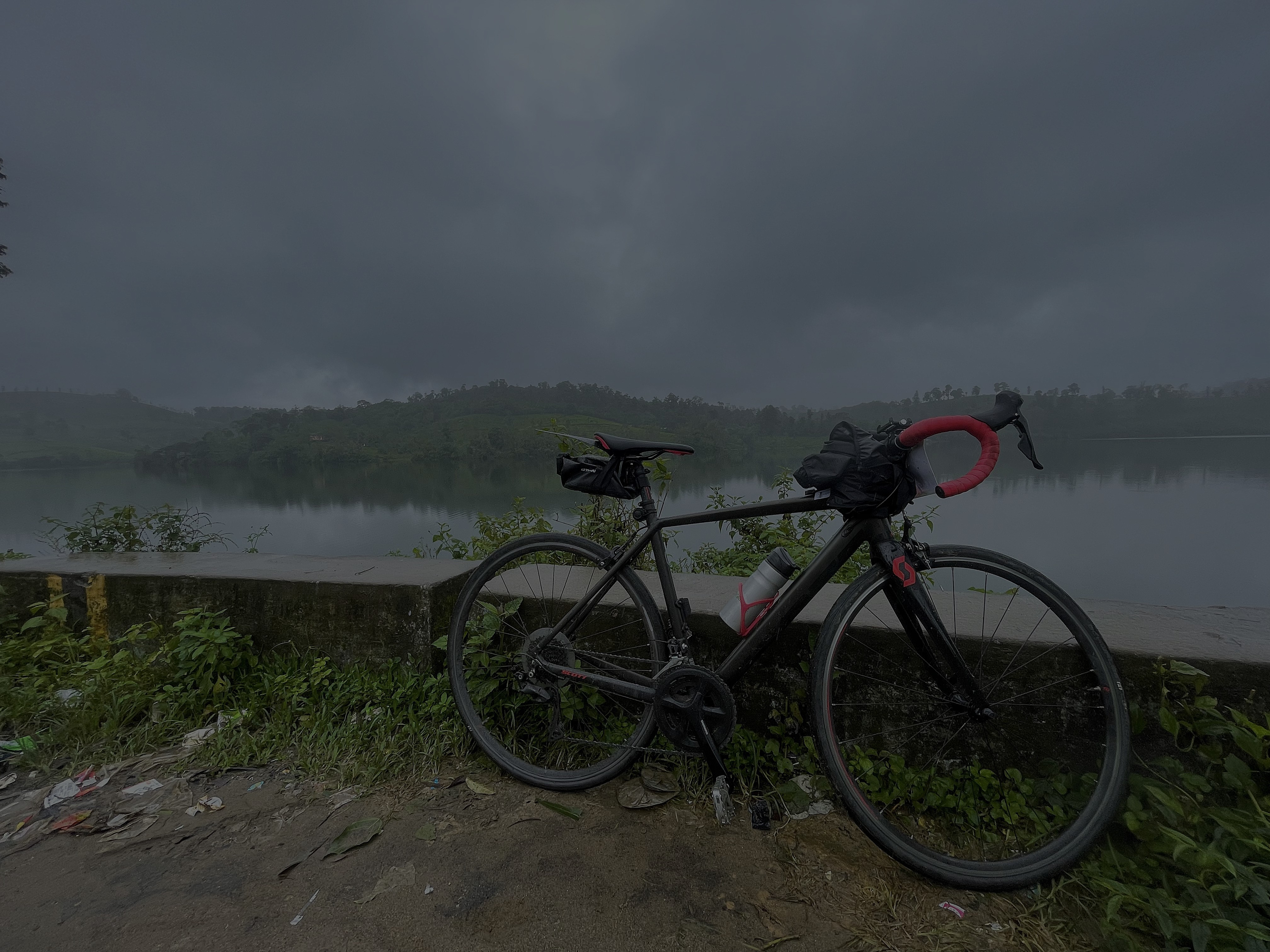
I am writing this a day before starting my cycling journey across coastal parts of southern India. The journey is not intended to produce immediate artworks unlike my usual intentions. Instead, it functions as a field research phase, focused on collecting visual, textual, and sensory fragments that later evolve into paintings, Chitrakatha, murals, and narrative illustrations.
Nature of research
A participant-observer approach to document subjectively on encounter-based experiences rather than objective exhaustive ethnographical research.
Cycling (Movement)
Gathering from my last few travelling series, the slow movement at an almost human-speed allows noticeable shifts in language, textures (colors), architecture, and landscape. Cycling creates heightened sensory awareness and of course the challenging fatigue.
What is being collected?
Let's call it fragmentary documentation, not exhaustive for sure. Here are a few primary Areas of observation I have speculated for this time:
Typography - Hand-painted signboards, temple inscriptions, public text, scripts in use.
Colour & Texture - Weathered walls, rusted metal, fabric, sand, algae, concrete, stone.
Architecture & Sacred Forms - Temple fragments, corridors, shrines in and around home-verandas, abandoned structures.
Local Myths & Oral Narratives - Stories heard casually, half-remembered legends, symbolic references embedded in place.
Way of Life - Food practices, clothing, movement patterns/ travel habits/ vehicles, work routines, roadside economies.
Documentation?
Phone photography while pedaling, short video clips, voice notes and visual journaling (if not too tired at the end of the day. The intent here is not to aestheticise, but to register presence.
Closing thoughts:
A key principle of this methodology is delayed interpretation. The idea of allow myself to slow down in observation, reflect while and later, and finally understand what and how to create a thing of value. All collected material during travels shall contribute to the living archive becoming long-term studio resource library.
Also, I am pretty excited to use my new Ipad!!!!!!!!!!!!!!
Travelling Research Methodology
Working towards building a site-responsive methodology rooted in movement, observation, and slow looking. Rather than approaching places as subjects to be represented, this method treats geography as a living field where culture, myth, architecture, and everyday life continuously intersect.
I am writing this a day before starting my cycling journey across coastal parts of southern India. The journey is not intended to produce immediate artworks unlike my usual intentions. Instead, it functions as a field research phase, focused on collecting visual, textual, and sensory fragments that later evolve into paintings, Chitrakatha, murals, and narrative illustrations.
Nature of research
A participant-observer approach to document subjectively on encounter-based experiences rather than objective exhaustive ethnographical research.
Cycling (Movement)
Gathering from my last few travelling series, the slow movement at an almost human-speed allows noticeable shifts in language, textures (colors), architecture, and landscape. Cycling creates heightened sensory awareness and of course the challenging fatigue.
What is being collected?
Let's call it fragmentary documentation, not exhaustive for sure. Here are a few primary Areas of observation I have speculated for this time:
Typography - Hand-painted signboards, temple inscriptions, public text, scripts in use.
Colour & Texture - Weathered walls, rusted metal, fabric, sand, algae, concrete, stone.
Architecture & Sacred Forms - Temple fragments, corridors, shrines in and around home-verandas, abandoned structures.
Local Myths & Oral Narratives - Stories heard casually, half-remembered legends, symbolic references embedded in place.
Way of Life - Food practices, clothing, movement patterns/ travel habits/ vehicles, work routines, roadside economies.
Documentation?
Phone photography while pedaling, short video clips, voice notes and visual journaling (if not too tired at the end of the day. The intent here is not to aestheticise, but to register presence.
Closing thoughts:
A key principle of this methodology is delayed interpretation. The idea of allow myself to slow down in observation, reflect while and later, and finally understand what and how to create a thing of value. All collected material during travels shall contribute to the living archive becoming long-term studio resource library.
Also, I am pretty excited to use my new Ipad!!!!!!!!!!!!!!
Travelling Research Methodology
Working towards building a site-responsive methodology rooted in movement, observation, and slow looking. Rather than approaching places as subjects to be represented, this method treats geography as a living field where culture, myth, architecture, and everyday life continuously intersect.
I am writing this a day before starting my cycling journey across coastal parts of southern India. The journey is not intended to produce immediate artworks unlike my usual intentions. Instead, it functions as a field research phase, focused on collecting visual, textual, and sensory fragments that later evolve into paintings, Chitrakatha, murals, and narrative illustrations.
Nature of research
A participant-observer approach to document subjectively on encounter-based experiences rather than objective exhaustive ethnographical research.
Cycling (Movement)
Gathering from my last few travelling series, the slow movement at an almost human-speed allows noticeable shifts in language, textures (colors), architecture, and landscape. Cycling creates heightened sensory awareness and of course the challenging fatigue.
What is being collected?
Let's call it fragmentary documentation, not exhaustive for sure. Here are a few primary Areas of observation I have speculated for this time:
Typography - Hand-painted signboards, temple inscriptions, public text, scripts in use.
Colour & Texture - Weathered walls, rusted metal, fabric, sand, algae, concrete, stone.
Architecture & Sacred Forms - Temple fragments, corridors, shrines in and around home-verandas, abandoned structures.
Local Myths & Oral Narratives - Stories heard casually, half-remembered legends, symbolic references embedded in place.
Way of Life - Food practices, clothing, movement patterns/ travel habits/ vehicles, work routines, roadside economies.
Documentation?
Phone photography while pedaling, short video clips, voice notes and visual journaling (if not too tired at the end of the day. The intent here is not to aestheticise, but to register presence.
Closing thoughts:
A key principle of this methodology is delayed interpretation. The idea of allow myself to slow down in observation, reflect while and later, and finally understand what and how to create a thing of value. All collected material during travels shall contribute to the living archive becoming long-term studio resource library.
Also, I am pretty excited to use my new Ipad!!!!!!!!!!!!!!
Travelling Research Methodology
Working towards building a site-responsive methodology rooted in movement, observation, and slow looking. Rather than approaching places as subjects to be represented, this method treats geography as a living field where culture, myth, architecture, and everyday life continuously intersect.
I am writing this a day before starting my cycling journey across coastal parts of southern India. The journey is not intended to produce immediate artworks unlike my usual intentions. Instead, it functions as a field research phase, focused on collecting visual, textual, and sensory fragments that later evolve into paintings, Chitrakatha, murals, and narrative illustrations.
Documentation?
Phone photography while pedaling, short video clips, voice notes and visual journaling (if not too tired at the end of the day. The intent here is not to aestheticise, but to register presence.
Nature of research
A participant-observer approach to document subjectively on encounter-based experiences rather than objective exhaustive ethnographical research.
Closing thoughts:
A key principle of this methodology is delayed interpretation. The idea of allow myself to slow down in observation, reflect while and later, and finally understand what and how to create a thing of value. All collected material during travels shall contribute to the living archive becoming long-term studio resource library.
Also, I am pretty excited to use my new Ipad!!!!!!!!!!!!!!
Cycling (Movement)
Gathering from my last few travelling series, the slow movement at an almost human-speed allows noticeable shifts in language, textures (colors), architecture, and landscape. Cycling creates heightened sensory awareness and of course the challenging fatigue.
What is being collected?
Let's call it fragmentary documentation, not exhaustive for sure. Here are a few primary Areas of observation I have speculated for this time:
Typography - Hand-painted signboards, temple inscriptions, public text, scripts in use.
Colour & Texture - Weathered walls, rusted metal, fabric, sand, algae, concrete, stone.
Architecture & Sacred Forms - Temple fragments, corridors, shrines in and around home-verandas, abandoned structures.
Local Myths & Oral Narratives - Stories heard casually, half-remembered legends, symbolic references embedded in place.
Way of Life - Food practices, clothing, movement patterns/ travel habits/ vehicles, work routines, roadside economies.
Working towards building a site-responsive methodology rooted in movement, observation, and slow looking. Rather than approaching places as subjects to be represented, this method treats geography as a living field where culture, myth, architecture, and everyday life continuously intersect.
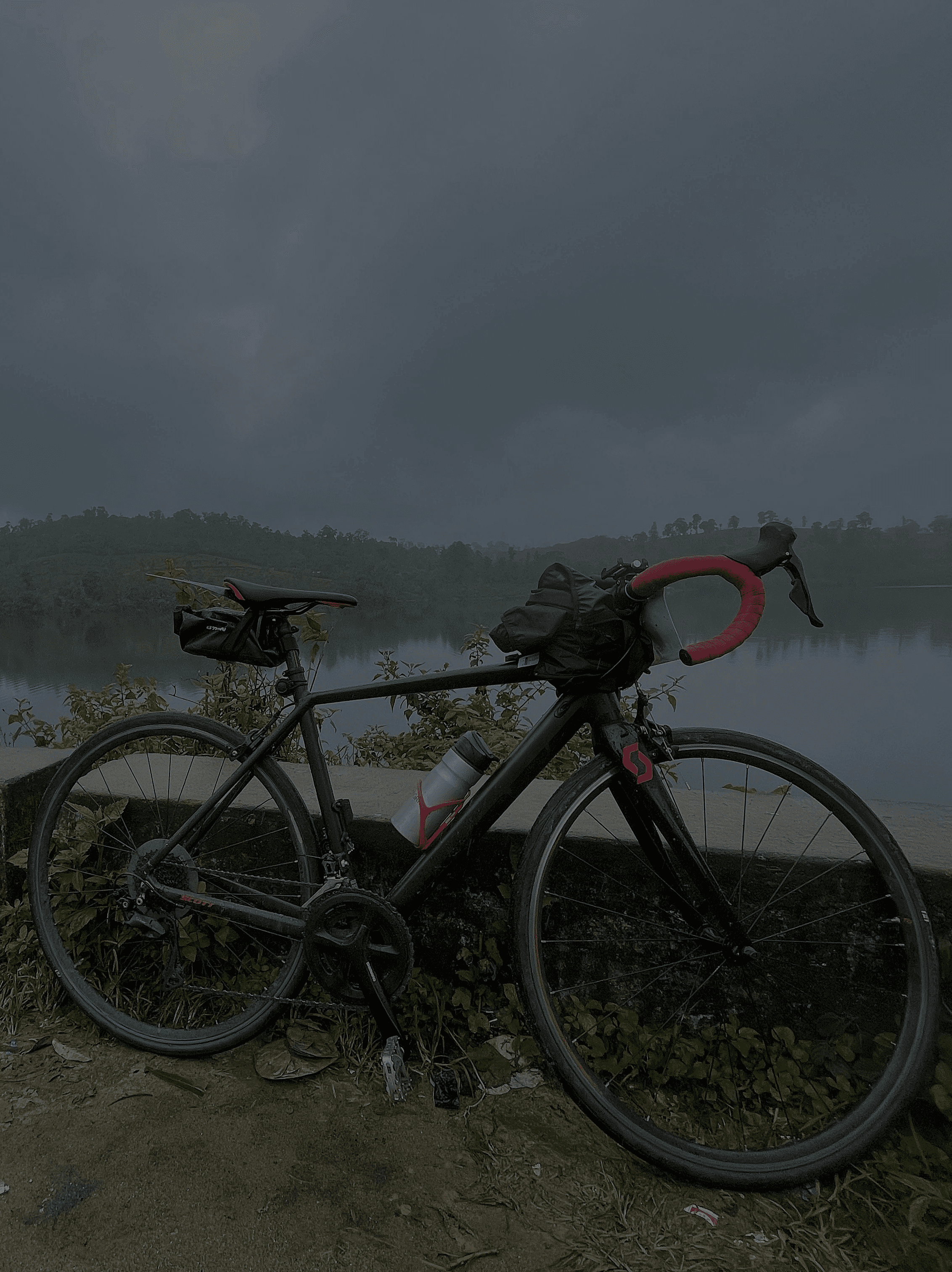
I am writing this a day before starting my cycling journey across coastal parts of southern India. The journey is not intended to produce immediate artworks unlike my usual intentions. Instead, it functions as a field research phase, focused on collecting visual, textual, and sensory fragments that later evolve into paintings, Chitrakatha, murals, and narrative illustrations.
Closing thoughts:
A key principle of this methodology is delayed interpretation. The idea of allow myself to slow down in observation, reflect while and later, and finally understand what and how to create a thing of value. All collected material during travels shall contribute to the living archive becoming long-term studio resource library.
Also, I am pretty excited to use my new Ipad!!!!!!!!!!!!!!
Nature of research
A participant-observer approach to document subjectively on encounter-based experiences rather than objective exhaustive ethnographical research.
Cycling (Movement)
Gathering from my last few travelling series, the slow movement at an almost human-speed allows noticeable shifts in language, textures (colors), architecture, and landscape. Cycling creates heightened sensory awareness and of course the challenging fatigue.
What is being collected?
Let's call it fragmentary documentation, not exhaustive for sure. Here are a few primary Areas of observation I have speculated for this time:
Typography - Hand-painted signboards, temple inscriptions, public text, scripts in use.
Colour & Texture - Weathered walls, rusted metal, fabric, sand, algae, concrete, stone.
Architecture & Sacred Forms - Temple fragments, corridors, shrines in and around home-verandas, abandoned structures.
Local Myths & Oral Narratives - Stories heard casually, half-remembered legends, symbolic references embedded in place.
Way of Life - Food practices, clothing, movement patterns/ travel habits/ vehicles, work routines, roadside economies.
Documentation?
Phone photography while pedaling, short video clips, voice notes and visual journaling (if not too tired at the end of the day. The intent here is not to aestheticise, but to register presence.
Travelling Research Methodology
Between Heritage and Livelihood: Notes from Khajuraho
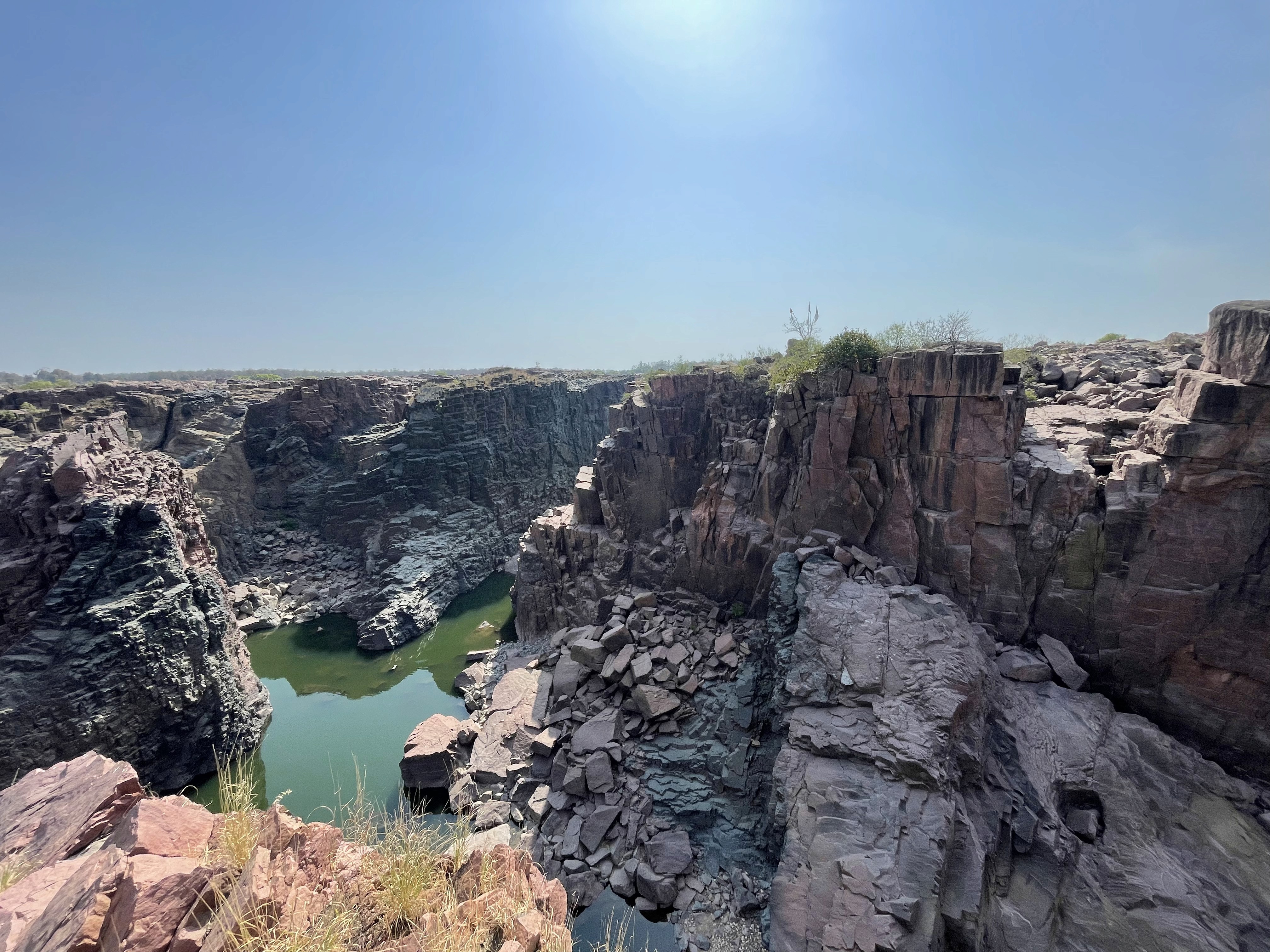
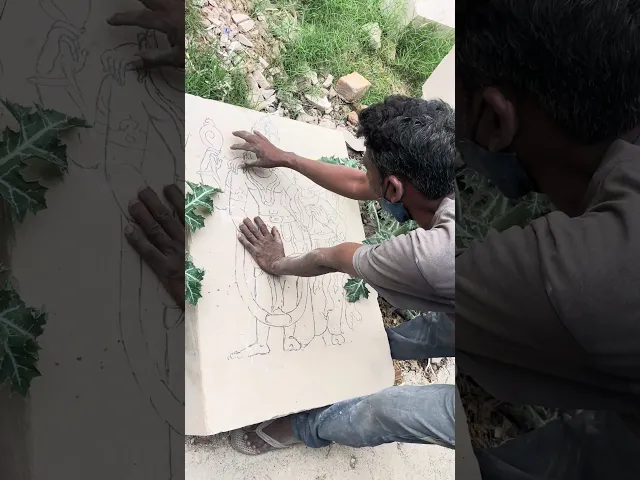
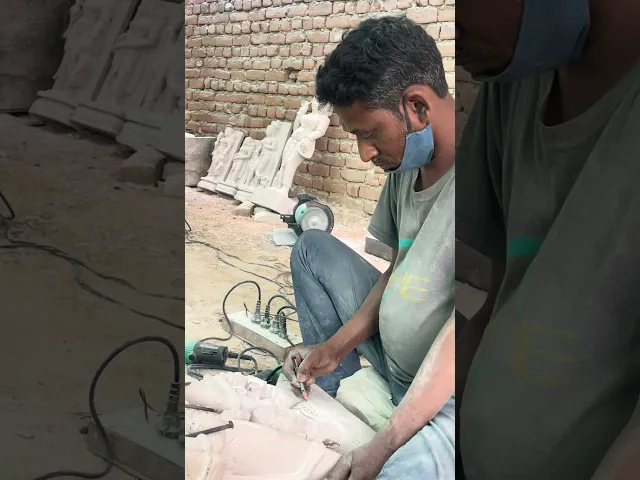
These videos were recorded during my travel and research visit to Khajuraho, Madhya Pradesh, in February 2025. What initially drew me to the site like so many others was its monumental temple architecture and sculptural brilliance. What stayed with me, however, were the living hands that continue this tradition quietly, away from the temples.
The two sculptors seen here work full-time for a local gallery that produces commissioned idols inspired by the sculptural language of the Khajuraho temples. They are formally trained artists, both graduates of art schools in Tamil Nadu, and have been migrating between cities for work for nearly fifteen years, living far from their families in pursuit of a livelihood rooted in craft.
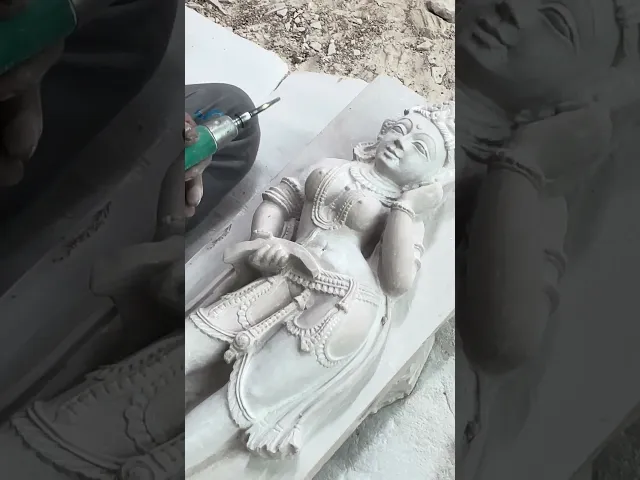
The working conditions they operate in are modest, and the remuneration around ₹35,000 per month barely reflects the depth of skill, training, and cultural responsibility their work carries. There is little glamour in their workspace, and few assurances of long-term security. Yet, the quality of each sculpture they produce is extraordinary so refined that it often stands indistinguishable from the original temple carvings that inspire it.
Khajuraho is globally celebrated as heritage, but heritage here is not only something preserved behind railings or plaques. It is actively being re-made every day by artists like these skilled, under-acknowledged, and largely invisible in mainstream narratives of Indian art history.
These videos are not meant as documentation alone, but as a reminder: monumental art does not belong only to the past. It survives through contemporary labour, migration, sacrifice, and quiet excellence. To look at Khajuraho fully, we must also look at those who continue to carve its afterlife.
Between Heritage and Livelihood: Notes from Khajuraho
These videos were recorded during my travel and research visit to Khajuraho, Madhya Pradesh, in February 2025. What initially drew me to the site like so many others was its monumental temple architecture and sculptural brilliance. What stayed with me, however, were the living hands that continue this tradition quietly, away from the temples.
The two sculptors seen here work full-time for a local gallery that produces commissioned idols inspired by the sculptural language of the Khajuraho temples. They are formally trained artists, both graduates of art schools in Tamil Nadu, and have been migrating between cities for work for nearly fifteen years, living far from their families in pursuit of a livelihood rooted in craft.
The working conditions they operate in are modest, and the remuneration around ₹35,000 per month barely reflects the depth of skill, training, and cultural responsibility their work carries. There is little glamour in their workspace, and few assurances of long-term security. Yet, the quality of each sculpture they produce is extraordinary so refined that it often stands indistinguishable from the original temple carvings that inspire it.
Khajuraho is globally celebrated as heritage, but heritage here is not only something preserved behind railings or plaques. It is actively being re-made every day by artists like these skilled, under-acknowledged, and largely invisible in mainstream narratives of Indian art history.
These videos are not meant as documentation alone, but as a reminder: monumental art does not belong only to the past. It survives through contemporary labour, migration, sacrifice, and quiet excellence. To look at Khajuraho fully, we must also look at those who continue to carve its afterlife.
Between Heritage and Livelihood: Notes from Khajuraho
These videos were recorded during my travel and research visit to Khajuraho, Madhya Pradesh, in February 2025. What initially drew me to the site like so many others was its monumental temple architecture and sculptural brilliance. What stayed with me, however, were the living hands that continue this tradition quietly, away from the temples.
The two sculptors seen here work full-time for a local gallery that produces commissioned idols inspired by the sculptural language of the Khajuraho temples. They are formally trained artists, both graduates of art schools in Tamil Nadu, and have been migrating between cities for work for nearly fifteen years, living far from their families in pursuit of a livelihood rooted in craft.
The working conditions they operate in are modest, and the remuneration around ₹35,000 per month barely reflects the depth of skill, training, and cultural responsibility their work carries. There is little glamour in their workspace, and few assurances of long-term security. Yet, the quality of each sculpture they produce is extraordinary—so refined that it often stands indistinguishable from the original temple carvings that inspire it.
Khajuraho is globally celebrated as heritage, but heritage here is not only something preserved behind railings or plaques. It is actively being re-made every day by artists like these skilled, under-acknowledged, and largely invisible in mainstream narratives of Indian art history.
These videos are not meant as documentation alone, but as a reminder: monumental art does not belong only to the past. It survives through contemporary labour, migration, sacrifice, and quiet excellence. To look at Khajuraho fully, we must also look at those who continue to carve its afterlife.
Between Heritage and Livelihood: Notes from Khajuraho
These videos were recorded during my travel and research visit to Khajuraho, Madhya Pradesh, in February 2025. What initially drew me to the site like so many others was its monumental temple architecture and sculptural brilliance. What stayed with me, however, were the living hands that continue this tradition quietly, away from the temples.
The two sculptors seen here work full-time for a local gallery that produces commissioned idols inspired by the sculptural language of the Khajuraho temples. They are formally trained artists, both graduates of art schools in Tamil Nadu, and have been migrating between cities for work for nearly fifteen years, living far from their families in pursuit of a livelihood rooted in craft.
The working conditions they operate in are modest, and the remuneration around ₹35,000 per month barely reflects the depth of skill, training, and cultural responsibility their work carries. There is little glamour in their workspace, and few assurances of long-term security. Yet, the quality of each sculpture they produce is extraordinary so refined that it often stands indistinguishable from the original temple carvings that inspire it.
Khajuraho is globally celebrated as heritage, but heritage here is not only something preserved behind railings or plaques. It is actively being re-made every day by artists like these skilled, under-acknowledged, and largely invisible in mainstream narratives of Indian art history.
These videos are not meant as documentation alone, but as a reminder: monumental art does not belong only to the past. It survives through contemporary labour, migration, sacrifice, and quiet excellence. To look at Khajuraho fully, we must also look at those who continue to carve its afterlife.
Between Heritage and Livelihood: Notes from Khajuraho
The working conditions they operate in are modest, and the remuneration around ₹35,000 per month barely reflects the depth of skill, training, and cultural responsibility their work carries. There is little glamour in their workspace, and few assurances of long-term security. Yet, the quality of each sculpture they produce is extraordinary so refined that it often stands indistinguishable from the original temple carvings that inspire it.
Khajuraho is globally celebrated as heritage, but heritage here is not only something preserved behind railings or plaques. It is actively being re-made every day by artists like these skilled, under-acknowledged, and largely invisible in mainstream narratives of Indian art history.
These videos are not meant as documentation alone, but as a reminder: monumental art does not belong only to the past. It survives through contemporary labour, migration, sacrifice, and quiet excellence. To look at Khajuraho fully, we must also look at those who continue to carve its afterlife.
These videos were recorded during my travel and research visit to Khajuraho, Madhya Pradesh, in February 2025. What initially drew me to the site like so many others was its monumental temple architecture and sculptural brilliance. What stayed with me, however, were the living hands that continue this tradition quietly, away from the temples.
The two sculptors seen here work full-time for a local gallery that produces commissioned idols inspired by the sculptural language of the Khajuraho temples. They are formally trained artists, both graduates of art schools in Tamil Nadu, and have been migrating between cities for work for nearly fifteen years, living far from their families in pursuit of a livelihood rooted in craft.
The working conditions they operate in are modest, and the remuneration around ₹35,000 per month barely reflects the depth of skill, training, and cultural responsibility their work carries. There is little glamour in their workspace, and few assurances of long-term security. Yet, the quality of each sculpture they produce is extraordinary—so refined that it often stands indistinguishable from the original temple carvings that inspire it.